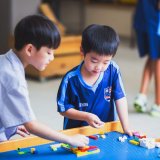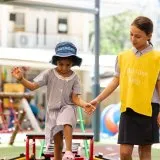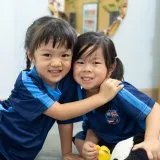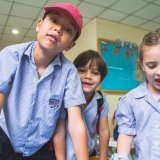
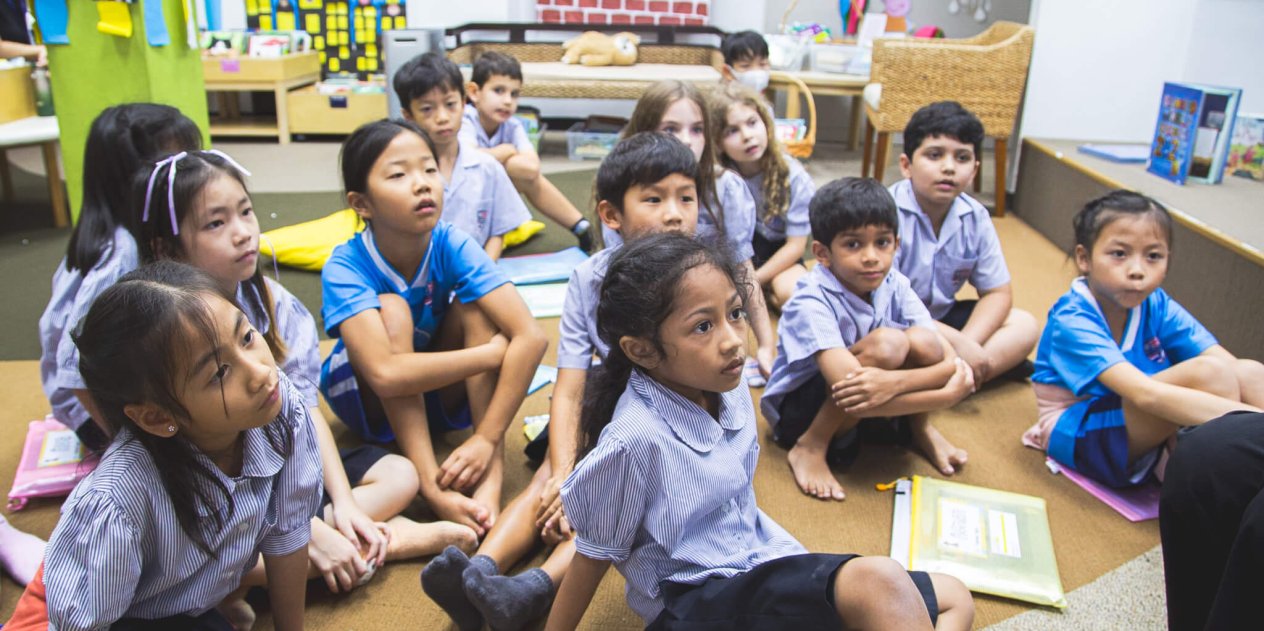
When parents visit St. Andrews Sathorn for the first time, one of the first things they often notice is the atmosphere. The school feels smaller, warmer and more personal than many expect.
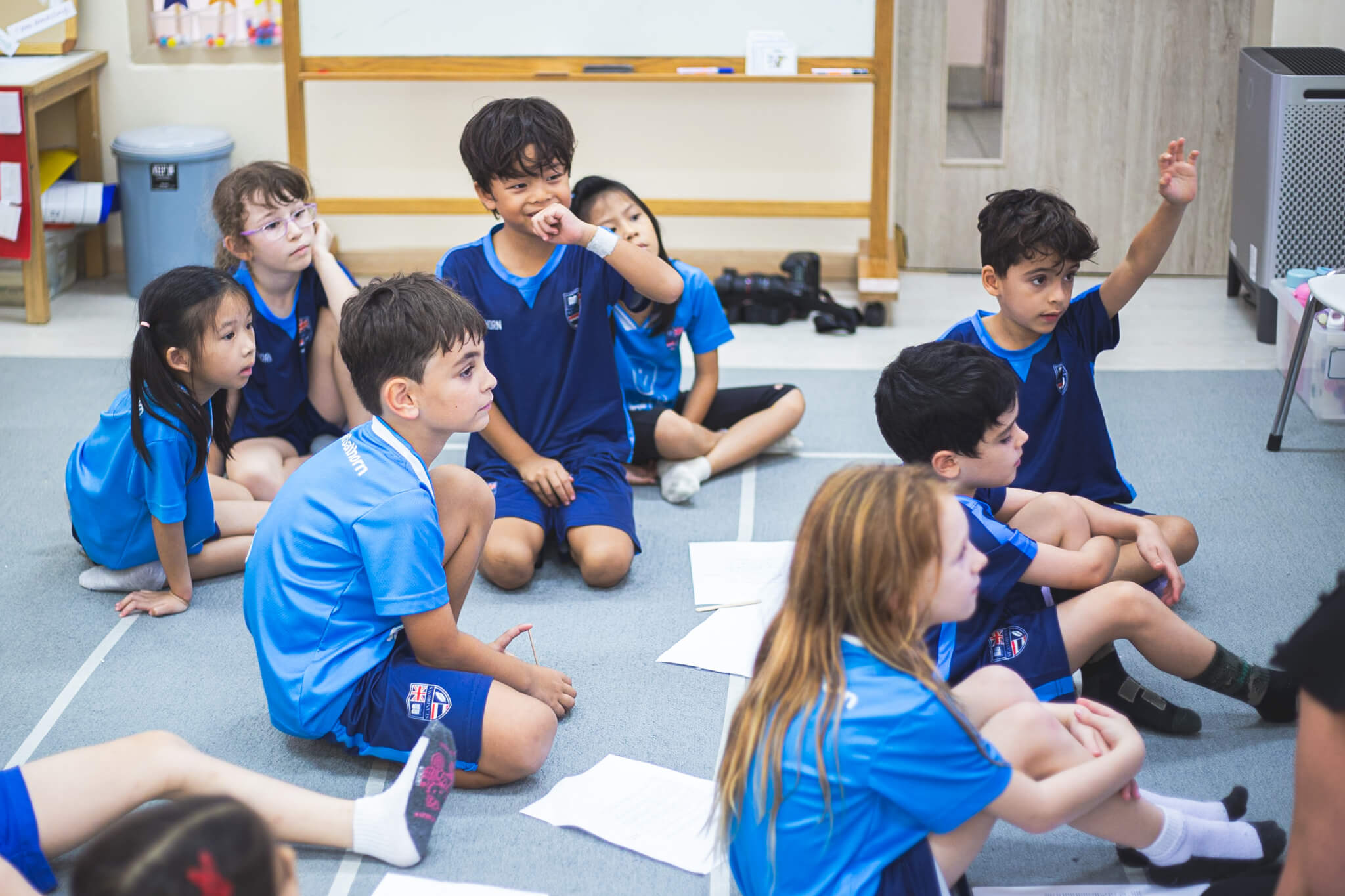
What many visitors also notice, sometimes without immediately realising it, is just how varied that community is. The children playing together in the courtyard might include a child who spent last year in Seoul, one whose grandparents are from Brazil, and one who was born right here in Bangkok. More than 40 nationalities are represented across the school, from Nursery all the way through to Year 6.
That mix of backgrounds is not incidental to who St. Andrews Sathorn is. It shapes the everyday experience of growing up here, and it has a quiet, lasting influence on the children themselves. This post looks honestly at what that means, especially for the youngest children in the school.
A School Community That Reflects the Wider World
St. Andrews Sathorn is a small, Gold-rated British international school in Bangkok, serving children from age 2 to 11. It is close-knit by design, and the community that has grown around it reflects the international character of the city itself: families relocating for work, long-standing international families, and local Thai families who want a British education for their children.
With families from more than 40 nationalities, the diversity here is not something laid on top of school life through events and displays. It is simply part of how things are, day to day. Children hear different languages at the school gate. They learn that families celebrate different things at different times of year. They discover, through ordinary friendship, that there is more than one way to do most things. This builds empathy and understanding between themselves and others.
That kind of exposure does not happen overnight, and it does not need to be loudly announced. It builds gradually, through shared routine and daily relationship. This can be seen during cultural celebrations, classroom conversations, shared projects and the everyday friendships children form across languages and backgrounds.
Why Diversity Matters in the Early Years
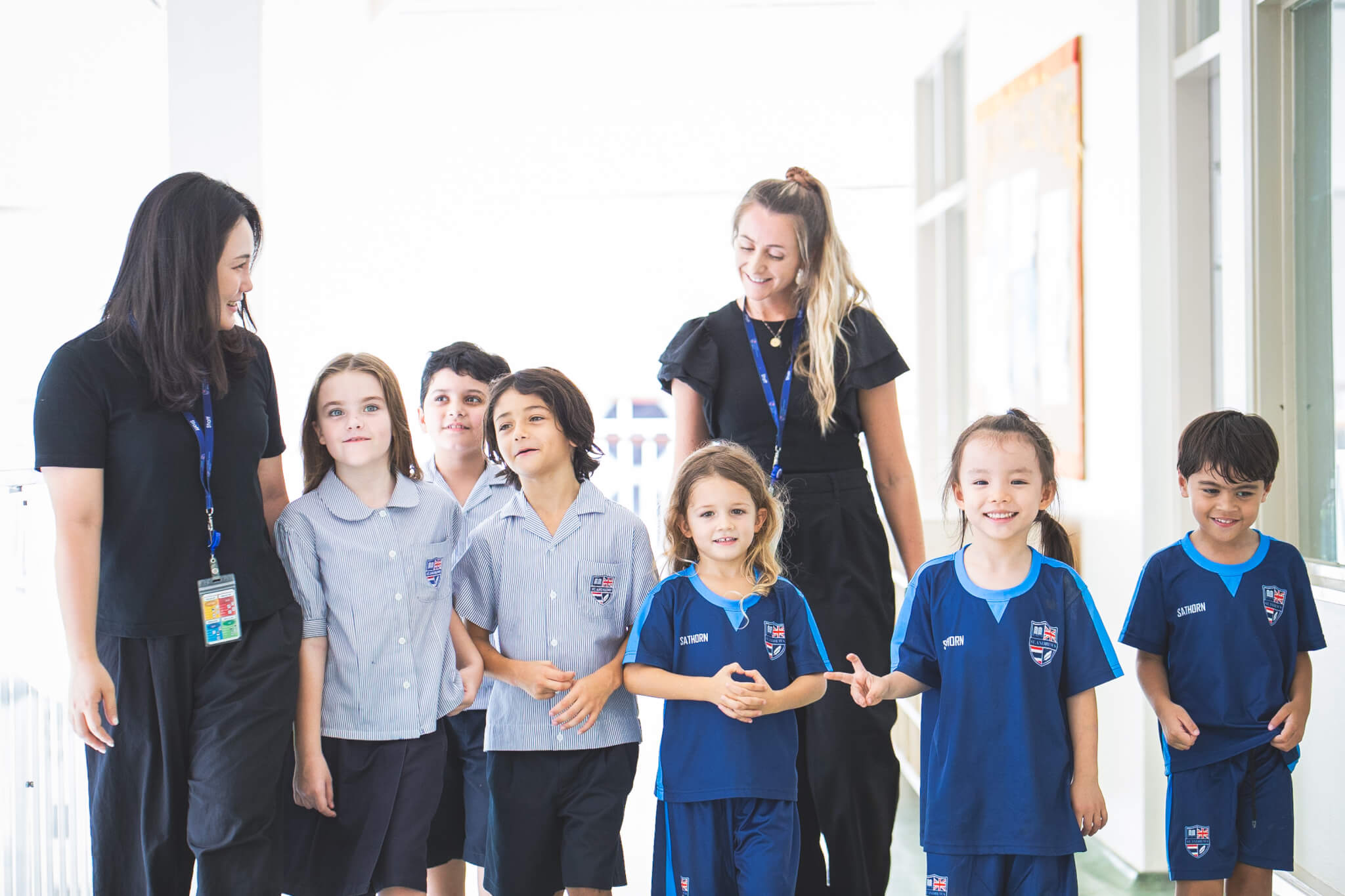
For very young children, so much learning happens through watching, imitating and connecting. A two- or three-year-old does not yet carry assumptions about who belongs and who does not. They are, as any Nursery teacher will tell you, largely open.
That openness is precious, and a diverse classroom makes good use of it. When children in the Nursery programme encounter different names, different foods in packed lunches, and different words for familiar objects, they absorb all of this naturally. Difference becomes ordinary, which is exactly what you want.
The Early Years Foundation Stage places Personal, Social and Emotional Development at the heart of learning. That is not an accident. The early years are when children first start to make sense of themselves and of other people. Being in a diverse community during that time quietly shapes how they approach relationships for years to come.
Early childhood research often highlights the importance of the first seven years, when children are forming many of the attitudes, habits and social expectations they may carry forward. If those early years are spent alongside children from many different backgrounds, the experience of difference feels natural rather than unfamiliar.
Building Empathy Through Everyday Friendships
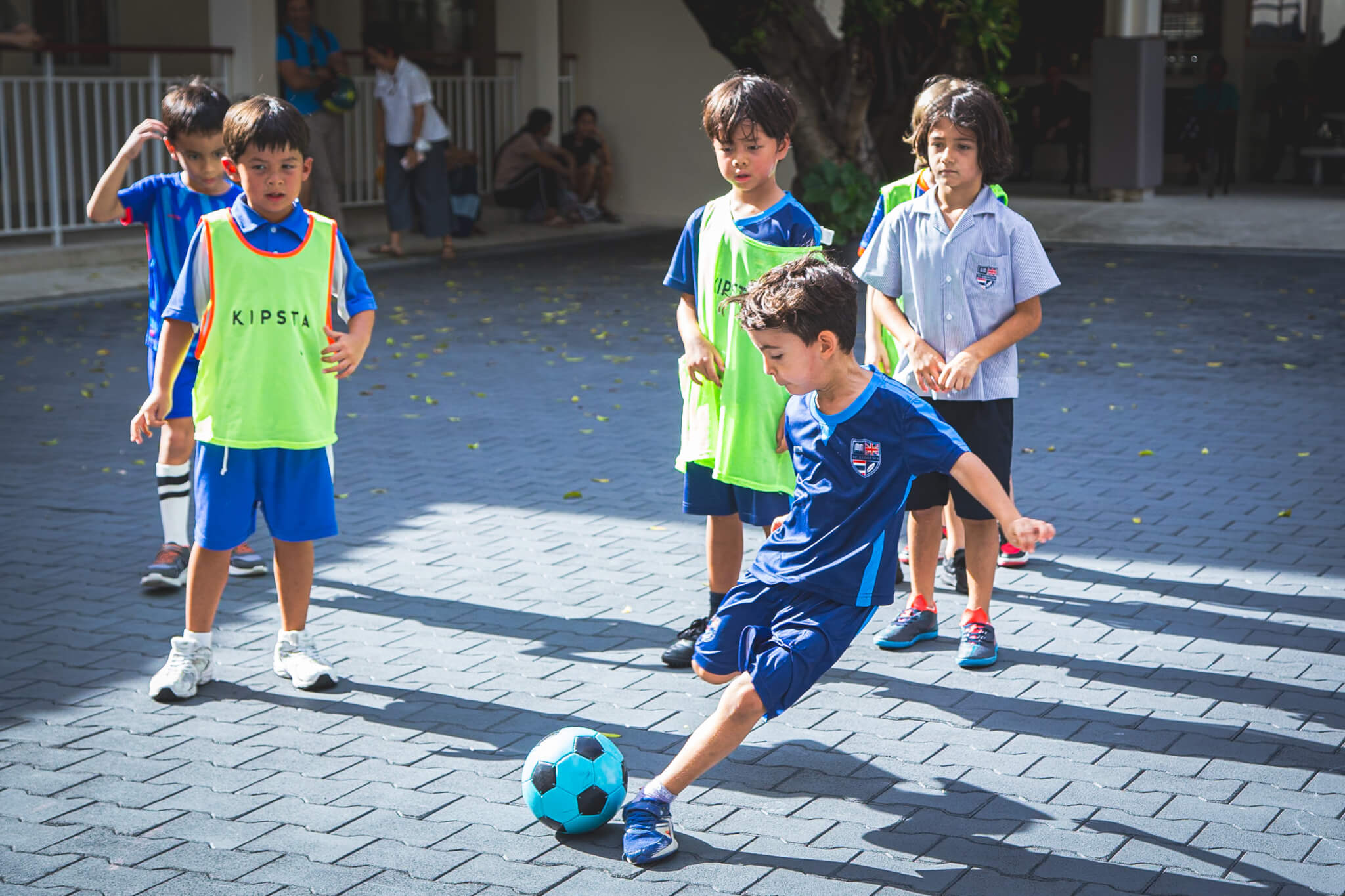
Empathy does not announce itself. It develops in small moments: waiting for a friend who is slower to understand the rules of a game; noticing that a new child looks uncertain at lunchtime and deciding to sit with them; learning to say a classmate’s name correctly because it matters to them that you do.
These are the moments that count in a diverse school, and they happen constantly. Children at St. Andrews Sathorn play alongside peers from different countries, with different family traditions and different first languages. That does not require a lesson plan. It requires proximity, time and the kind of gentle guidance the school’s teachers are trained to offer.
By the time children reach Year 2, they have built up a store of these small experiences. They have noticed, in a way that feels entirely natural, that people are different, and that those differences do not get in the way of friendship.
Helping Children Feel Proud of Who They Are
A school that handles diversity well does two things at once. It teaches children to be curious and respectful towards others, and it also helps each child feel that their own background is genuinely valued.
That second part matters more than it might seem. Children who feel that who they are is recognised and respected are more settled, more confident and more willing to engage with learning. They are less likely to carry the quiet anxiety of feeling out of place.
St. Andrews Sathorn’s three guiding values, confidence, excellence and community, reflect this directly. Confidence is listed first for a reason. A child who feels secure in who they are brings that security into the classroom, into group work and into every new friendship they form.
For relocating families in particular, this can make an enormous difference. Moving to a new city is unsettling for children. Arriving at a school where many children are in a similar position, and where the community is built around welcome and inclusion, makes that transition considerably easier.
Learning to Communicate Across Cultures
There is sometimes a temptation to overstate what diversity does for language development. Children at St. Andrews Sathorn do not become fluent in six languages simply by attending school together, and it would be misleading to suggest otherwise.
What does happen, though, is subtler and arguably more useful. Children become comfortable hearing different accents. They learn to listen more carefully when someone is still finding their words. They find ways to connect through play, gesture and shared laughter when spoken language alone does not quite do the job.
That kind of social ease, the comfort of not needing everything to be perfectly familiar before you can relax, is a genuinely useful thing. It shows up in how children interact with new classmates, in how they approach unfamiliar situations and eventually in how they navigate the wider world.
Supporting Year 2 Children as Their World Expands
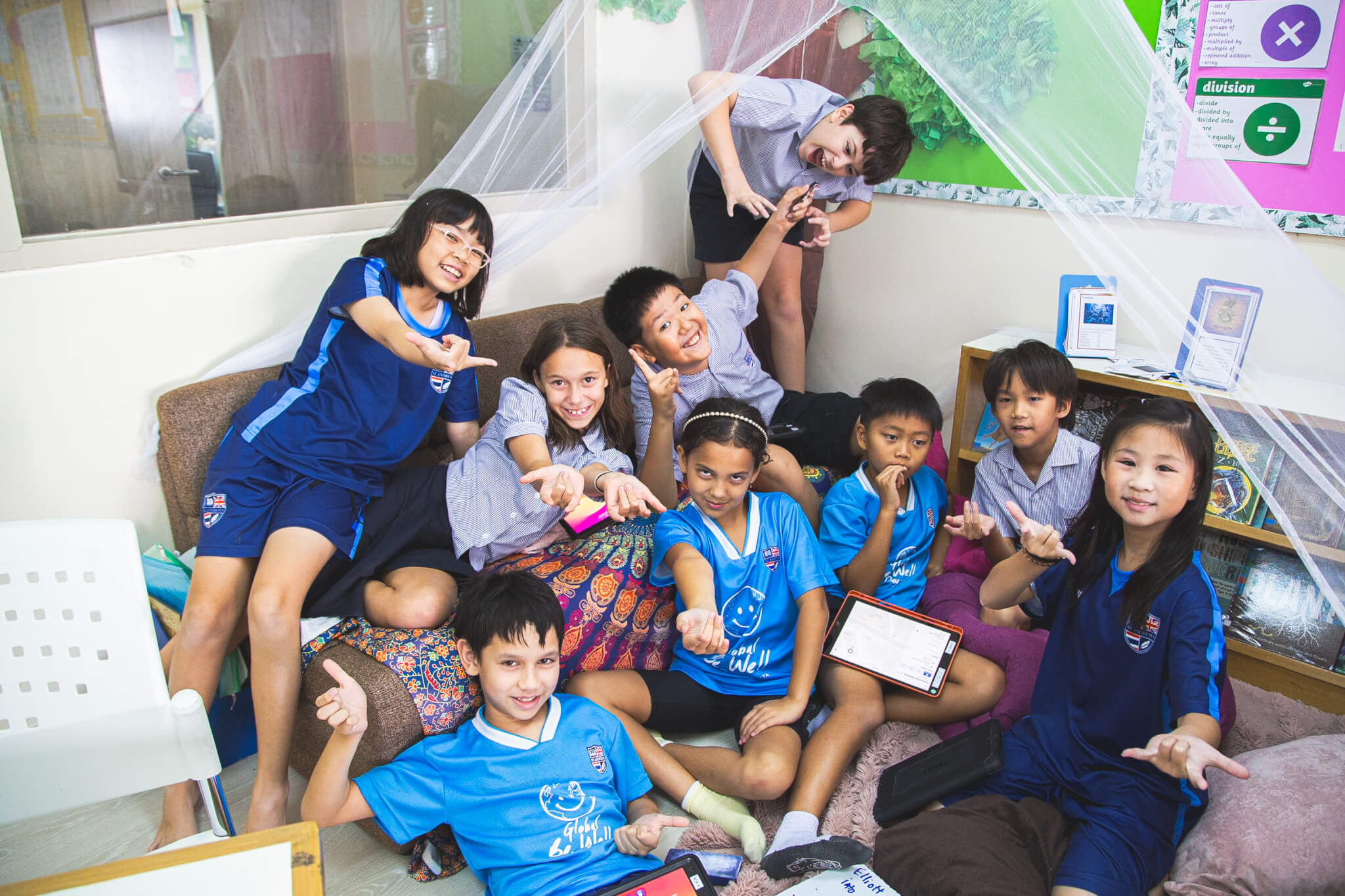
By Year 2, children are ready to engage with ideas around fairness, co-operation and difference in a more conscious way. They can hold a point of view and listen to someone else’s at the same time, at least some of the time. They are beginning to understand that not everyone sees things the same way, and that this can be interesting rather than threatening.
In the Primary Years at St. Andrews Sathorn, this is supported through collaborative group work, class discussions and projects that draw on different perspectives. A classroom of children from many backgrounds naturally generates a range of views. Learning to listen to those views, to build on them and to disagree respectfully, is a skill that serves children well long after they leave primary school.
Year 2 is also a stage where friendships deepen and become more intentional. The experience of navigating those friendships within a genuinely diverse community gives children real social experience. It is not performed or theoretical. It is real.
Preparing Children for a Connected Future
The adults that today’s Nursery and Year 2 children will become are likely to work alongside people from many different countries and cultures. Some of them will live in several countries across their lifetimes. The ease or discomfort they feel in those situations will be shaped, in part, by experiences they are having right now.
A child who has spent their early years in a community where difference is ordinary grows up with a calm, unforced confidence around people who are different from them. That is not a small thing. It is the kind of confidence that cannot easily be taught from a textbook later on.
It does not require a grand vision or a school-wide programme. It requires simply being in a place where many kinds of people are present, where that is treated as normal, and where children are guided to engage with one another with curiosity and respect.
Why Community Matters When Choosing a School
When parents are weighing up schools for their children, it is easy to focus on curriculum, results and facilities. Those things matter. But so does something harder to quantify whether a school is genuinely a community, and whether your child will feel part of it.
A diverse school is one where children from many backgrounds feel genuinely known and included, every day, in ordinary school life. That quality of belonging does not happen automatically. It is built through consistent values, attentive teaching and a school culture that treats every child as an individual.
At St. Andrews Sathorn, our small, close-knit community naturally supports this. Teachers take the time to get to know each child as an individual, and parents are a valued part of school life. Our size allows us to build meaningful relationships, helping every child to feel known, supported and cared for throughout their time with us.
A Warm and Welcoming Place to Grow
Choosing a school is one of the bigger decisions any family makes, and it is never just about academic outcomes. It is about the kind of environment your child will spend their days in, the friendships they will form and the values they will quietly absorb along the way.
St. Andrews Sathorn’s diverse, inclusive community is one of the things families say they appreciate most once their children have settled in. It shapes how the children treat each other and how they see the world, in ways that are sometimes hard to notice until you step back and look.
If you would like to experience the atmosphere for yourself, we would be delighted to welcome you for a visit.