When parents visit a school for the first time, the questions they ask are often about curriculum, class sizes and academic progress. Those things matter. But most parents also know that academic learning is not the whole story. Children need to learn how to handle frustration, how to make a friend, how to speak up when something feels wrong and how to be kind even when it is difficult. These are not things children simply pick up on their own. They are skills that take time, modelling and practice.
This is where PSHE comes in. At St. Andrews International School Sathorn, a small British international school for children aged 2 to 11 in central Bangkok, PSHE sits alongside academic learning as part of a curriculum that takes the whole child seriously.
What Is PSHE?
PSHE stands for Personal, Social, Health and Economic Education. In British primary schools, it is the part of the curriculum that helps children learn about themselves, the people around them and the wider world, in ways that are appropriate for their age and stage.
In practice, PSHE brings together a wide range of themes: understanding feelings, building friendships, looking after health, staying safe, growing independence and beginning to think about choices and their consequences. It gives children a structured, calm space to ask questions, talk honestly and develop the attitudes and understanding they need for everyday life, now and as they grow older. Think of it less as a subject to be tested and more as a framework for learning how to be a person in the world.
Why PSHE Matters in Primary Education
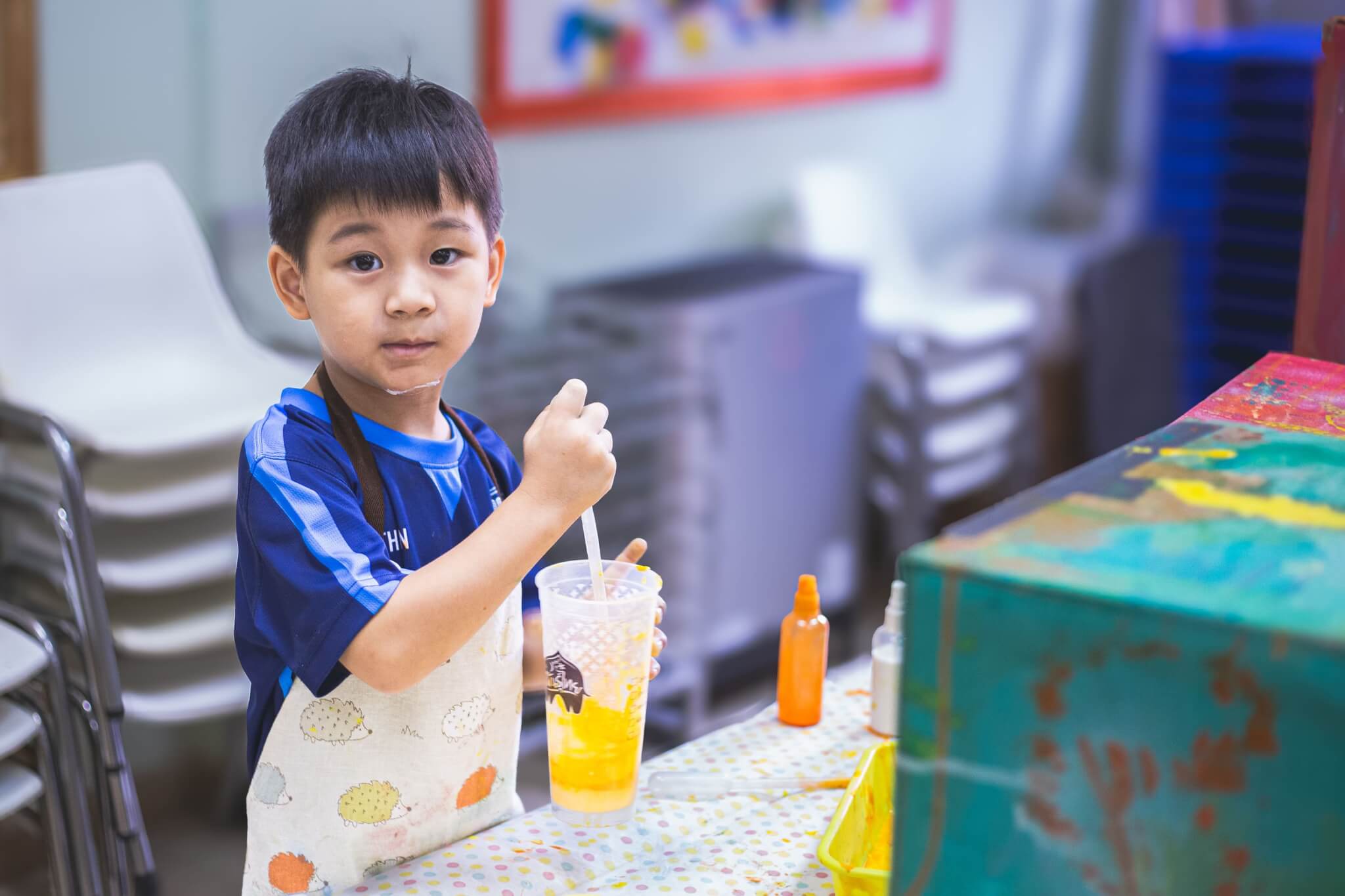
Children are not born knowing how to manage big emotions, resolve disagreements or make thoughtful choices under pressure. These skills develop gradually, through guidance, practice and the quiet modelling that good teachers and caring adults provide every day. Without some structured support, children can find themselves feeling overwhelmed by emotions they cannot name, or stuck in friendship difficulties they do not yet have the language to resolve.
PSHE helps schools address this in a consistent, planned way. When children are given the language to name what they are feeling, they tend to manage those feelings more effectively. When they practise listening respectfully or working through a disagreement with a classmate, those skills become more reliable over time. When they understand what a trusted adult is and know they can ask for help, they are less likely to carry worries alone. These may sound like small things, but they have a real impact on how children experience school, how ready they feel to learn and how they treat the people around them.
Building Confidence and Self-Awareness
One of the most important things PSHE does in the primary years is help children build a realistic, healthy sense of who they are. Young children are still forming their sense of identity and self-belief, and the messages they receive at school about their abilities, their feelings and their worth matter enormously.
Through age-appropriate discussions and activities, children can learn to notice and name their feelings, to understand that all feelings are valid even when not all responses to them are, and to recognise their own strengths rather than measuring themselves only against others. A child who learns to say “I can try again” rather than “I am just bad at this” is building the kind of resilience that will serve them well across every area of school life. PSHE also encourages children to know which trusted adults they can go to at school or at home, which is a simple but genuinely important life skill for younger pupils in particular.
In a British curriculum school like St. Andrews Sathorn, PSHE themes can reinforce the wider values children encounter throughout school life, so the messages about kindness, effort and respect feel consistent rather than confined to one lesson.
Helping Children Build Positive Relationships
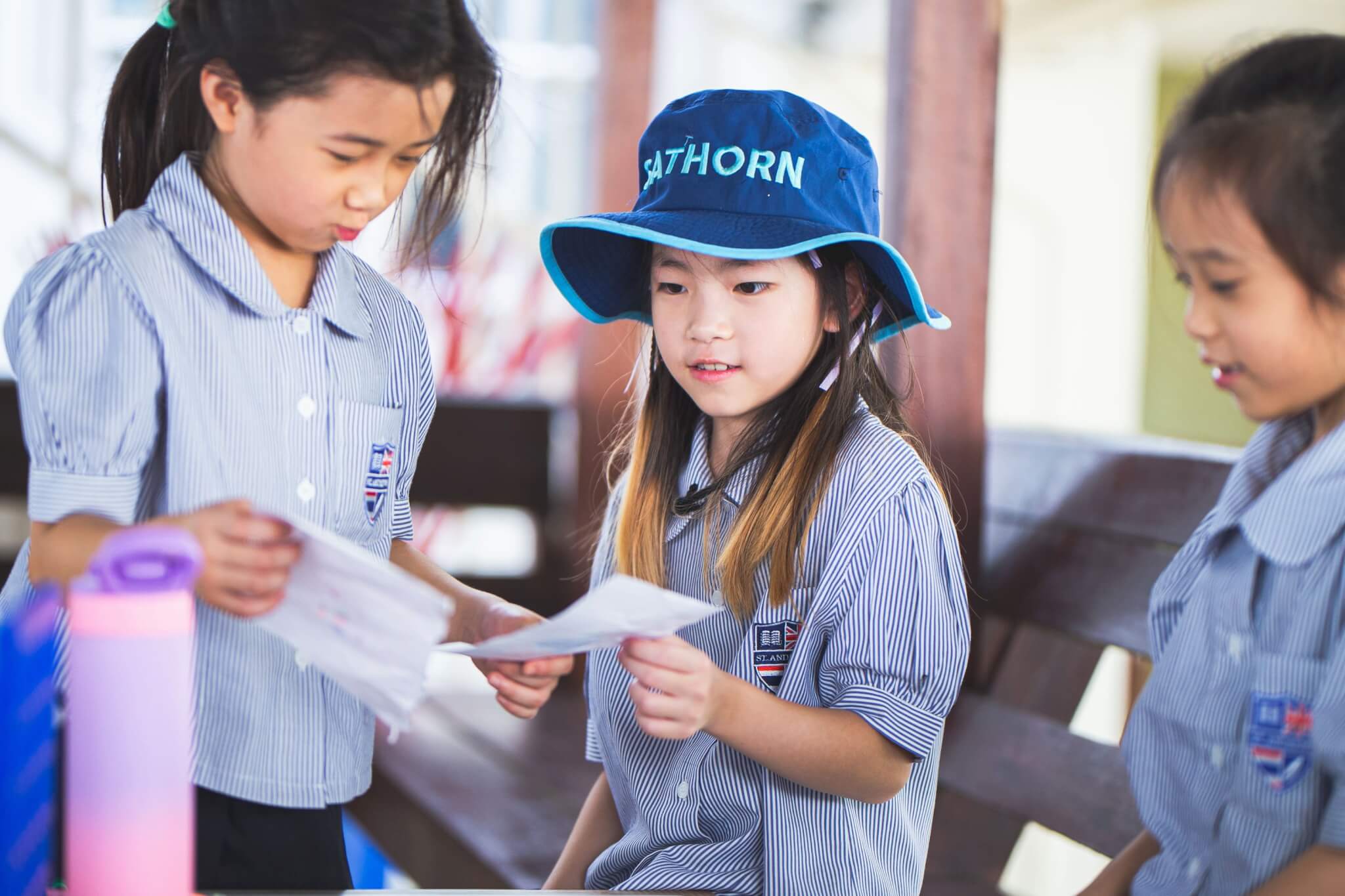
Friendship is one of the things children care most about at school, and one of the areas where they most need support. The social landscape of a primary classroom is genuinely complex: who to sit with, how to join a game already in progress, what to do when a friend says something hurtful, how to apologise and mean it. PSHE gives children the language and strategies to navigate these situations more confidently.
Through stories, discussion and role-play, children practise taking turns, listening even when they disagree and thinking about how their words and actions affect others. They learn that resolving a disagreement does not always mean winning, and that saying sorry is a strength. These conversations can happen in a circle time, during a reading session or in response to something that has arisen naturally in the classroom. The point is that children have the vocabulary and confidence to engage with these situations rather than feeling helpless inside them.
In an international school community, where children may come from different countries, languages and family backgrounds, these relational skills are especially valuable. PSHE can help children understand that difference is something to be curious about rather than wary of, and that their own experiences and perspectives are worth sharing.
Health, Safety and Responsible Choices
PSHE also covers health, personal safety and the beginnings of responsible decision-making, all in ways that are calm, positive and age-appropriate. For younger children, this might mean understanding why routines like handwashing and good sleep matter, or knowing the difference between a surprise that feels exciting and a secret that makes them feel uncomfortable. For older primary pupils, it can include thinking about choices and consequences, growing independence and the basics of staying safe online.
The aim is never to frighten children, but to give them a sense of agency. A child who knows what a trusted adult is, understands they can speak up when something feels wrong and has thought about how to look after their health is in a much stronger position than one who has not had those conversations. For parents, knowing that school is reinforcing these messages in a structured, considered way is genuinely reassuring.
PSHE in a British International School Setting
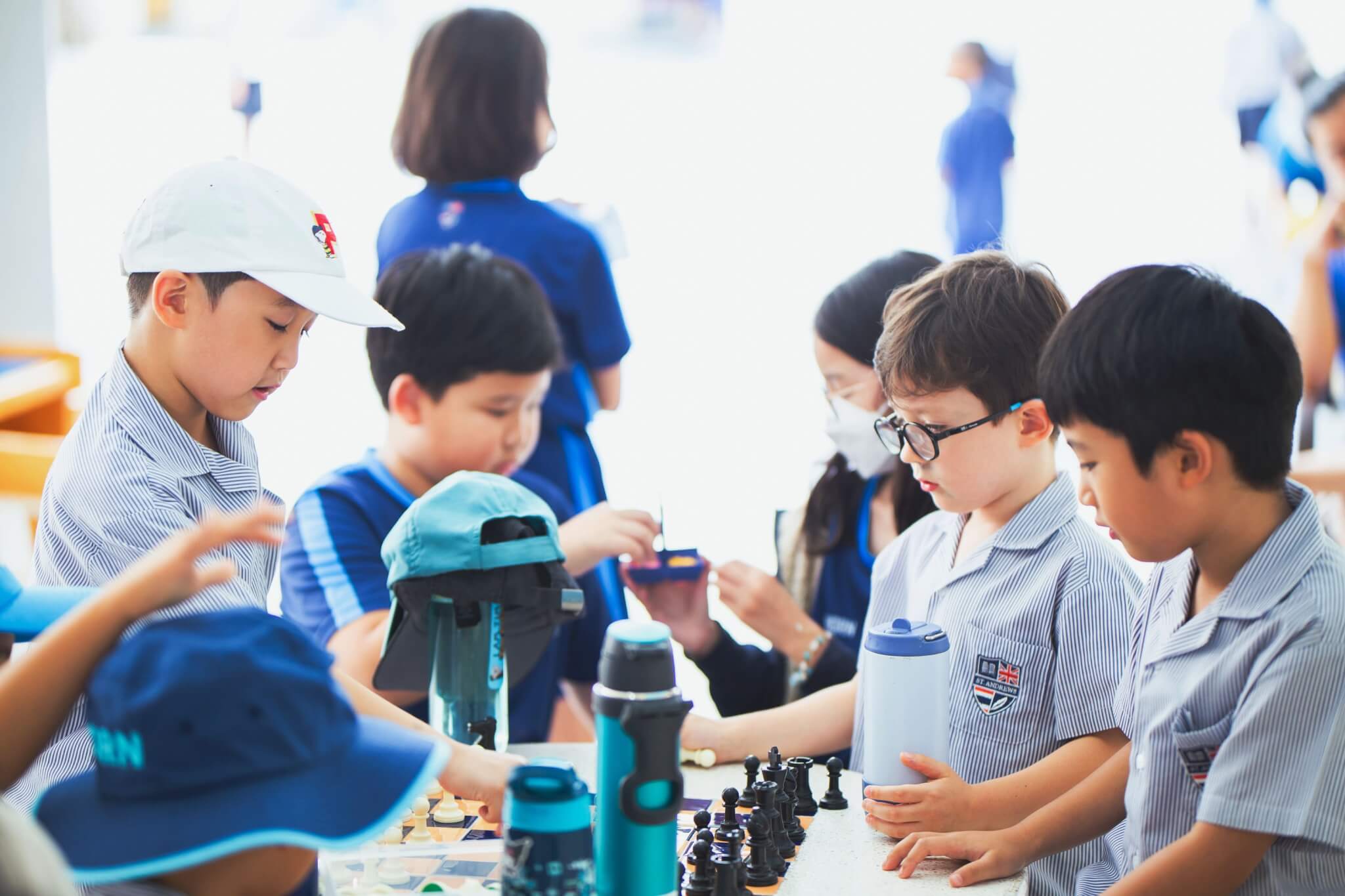
For children in an international school community, PSHE carries particular relevance. Some children will have moved countries recently and are still finding their footing in a new school or social environment. Others are navigating friendships across different cultural backgrounds, or adjusting to a school system that differs from what they knew before. These experiences can be enriching, but they also bring their own pressures, and children benefit from having a consistent framework for making sense of how they feel.
As a smaller school community, St. Andrews Sathorn is well placed to help children feel known, supported and understood. In a smaller school community, staff are often better placed to notice when a child seems unsettled, quieter than usual or struggling socially, and to respond with individual care. PSHE fits naturally with a broader school focus on helping children feel safe, valued and ready to learn, providing a language and a structure that supports children’s personal development alongside their academic progress.
What Parents Can Look For
When choosing an international school in Bangkok, PSHE can be a useful lens for understanding how a school supports children’s day-to-day experience alongside academic achievement. Parents might look for:
- A school that speaks openly about confidence, wellbeing and personal development, not only exam results and academic progress.
- Teachers who model kindness, clear communication and respect in the way they speak to children and families.
- Age-appropriate conversations about feelings, friendships, safety and responsibility built into school life, not treated as an add-on.
- A culture where children are known as individuals and where staff notice and respond to changes in mood or behaviour.
- Clear, calmly explained expectations around behaviour and mutual respect, so children understand the reasoning behind the rules.
- Opportunities for children to speak, listen, reflect and work together across different settings and subjects.
- A curriculum that gives personal development proper space alongside core academic subjects.
At St. Andrews Sathorn, PSHE fits naturally with a broader school approach that values the whole child. Children who feel safe, respected and confident are more able to engage with learning, which is good for wellbeing and good for academic progress too.
A Foundation for Life Beyond the Classroom
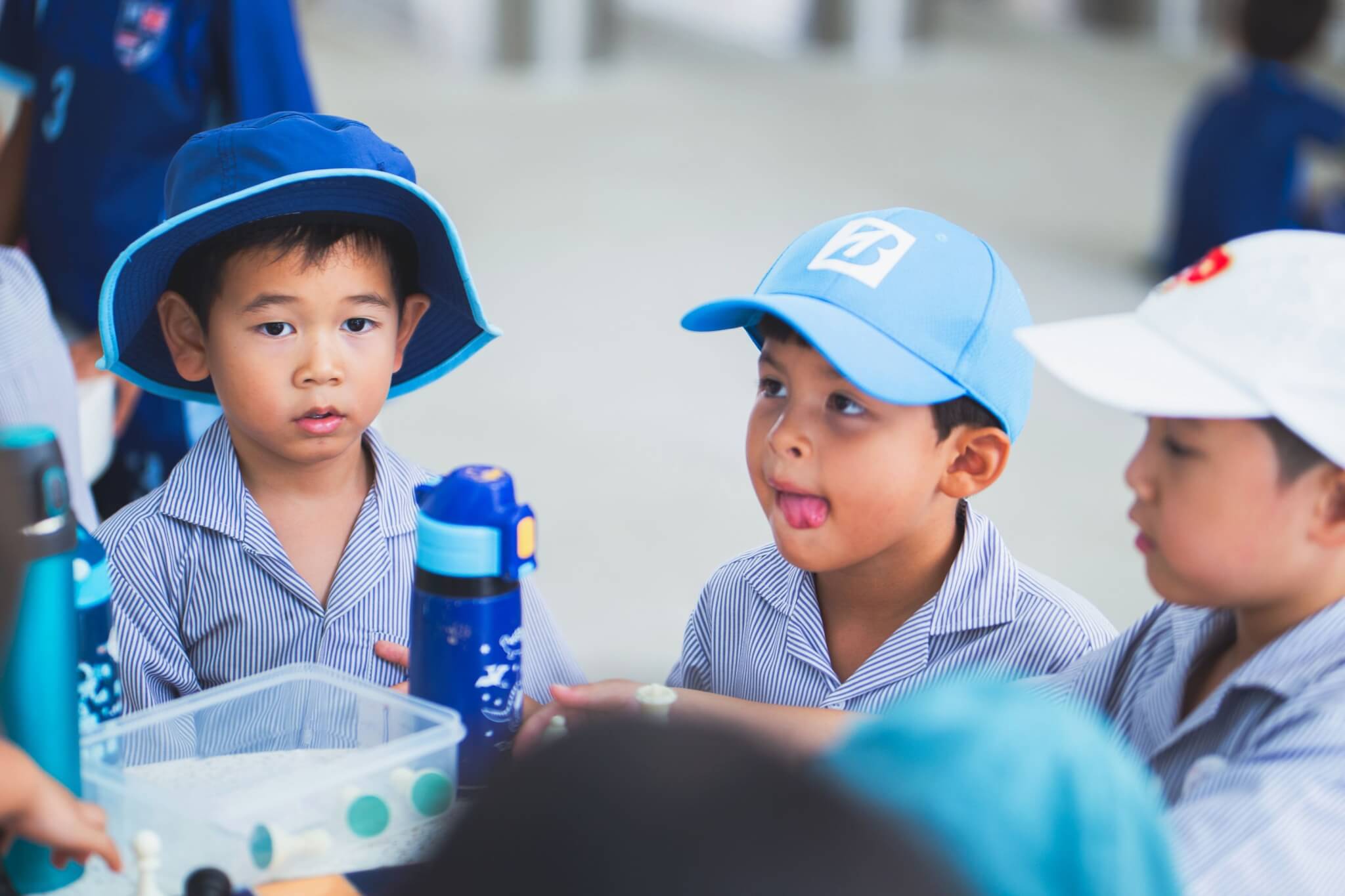
PSHE does not compete with academic learning. It supports it. When children understand their feelings, have the skills to build and repair friendships, know how to look after themselves and feel confident asking for help, they are better placed to engage fully with everything school offers. These are not extras. They are foundations.
In a British international school like St. Andrews Sathorn, where children come from a range of countries and backgrounds and community life is close-knit, personal development and life skills are not separate from learning. They are part of helping children grow with confidence, kindness and responsibility. For parents, that is a reassuring thing to find in a school.
To learn more about how St. Andrews Sathorn supports children’s academic, personal and social development, parents are welcome to contact the Admissions team or arrange a school visit.