
Author: Nicola Morley
Sending your child into school each morning involves a simple but important act of trust. You trust that the adults around them will notice if something feels off, that the environment is genuinely safe, and that your child will be looked after emotionally as well as physically.
At St. Andrews International School Sathorn, safeguarding is not a policy document that lives in a filing cabinet. It is the daily, practical, very ordinary work of knowing each child well, and making sure that every adult in the building is safe, trained and prepared to act when it matters.
This post is for parents who want to understand what that actually looks like, day to day.
What Safeguarding Really Means
Safeguarding means more than many people initially assume. It is not simply about physical safety, though that is certainly part of it. It also means protecting children from harm and abuse of all kinds, supporting their emotional health and development, and making sure every child has the best possible outcomes.
A well-safeguarded school is one where children feel genuinely secure: not just because the gate is locked, but because they are known, listened to and supported.
As part of the wider Cognita network, St. Andrews Sathorn’s safeguarding framework draws on internationally recognised standards for child protection, with independent oversight from specialists outside the school. That external yearly review matters. It means safeguarding standards are not simply self-assessed and are robust and continually driven to be the best they can be.
The People Responsible
Every school that takes safeguarding seriously appoints a Designated Safeguarding Lead (DSL): a named individual who coordinates child protection matters, liaises with external agencies, ensures the school is at the forefront of new developments and policies and ensures that these policies are understood and followed across the school. At St. Andrews Sathorn, that person is Nicola Morley. Having a named, identifiable DSL means there is always a clear point of contact, whether a teacher has spotted something concerning or a parent has a worry they are not sure how to raise. More information is available on the school’s child safeguarding page.
As Miss Nicola shares, “Beyond the DSL, safeguarding is understood to be everyone’s responsibility. Every adult working with children at the school, from teachers and support staff to volunteers and approved visitors, shares in that duty of care. One person cannot watch over every child. A whole community of attentive, trained adults can.”
How Staff Are Selected and Trained
The first layer of safeguarding happens before a teacher ever meets a child. Background checks, thorough references (both written and verbal) and police checks are conducted for all staff and volunteers before they begin work. Everyone who works with children also signs a Code of Conduct that sets clear expectations around professional behaviour.
Once in post, staff receive regular training and updates on child protection. This is not a one-time induction. Training is refreshed so that staff remain confident in recognising when a child may need support, understanding the reporting process and acting in the child’s best interests.
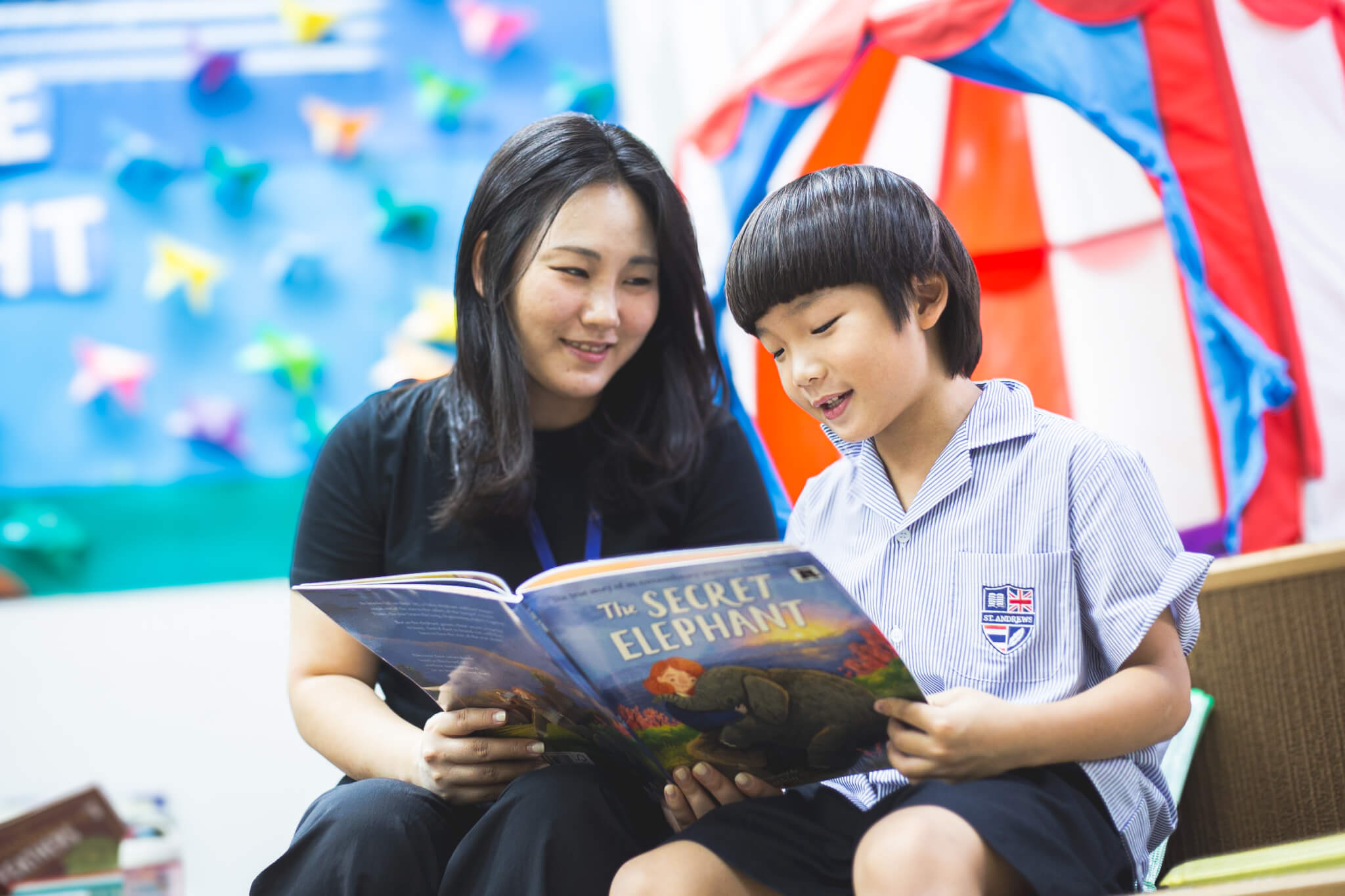
Beyond formal training, what matters just as much is the quality of the relationships teachers build with the children in their care. With small class sizes, a defining feature of St. Andrews Sathorn, teachers genuinely know each child: their personality, their habits, what unsettles them and what makes them light up. That relational knowledge is, in practice, one of the most important aspects of how the school keeps children safe.
What It Looks Like Each Day
Abstract commitments are easy to write down. What parents often want to know is: what does this actually look like?
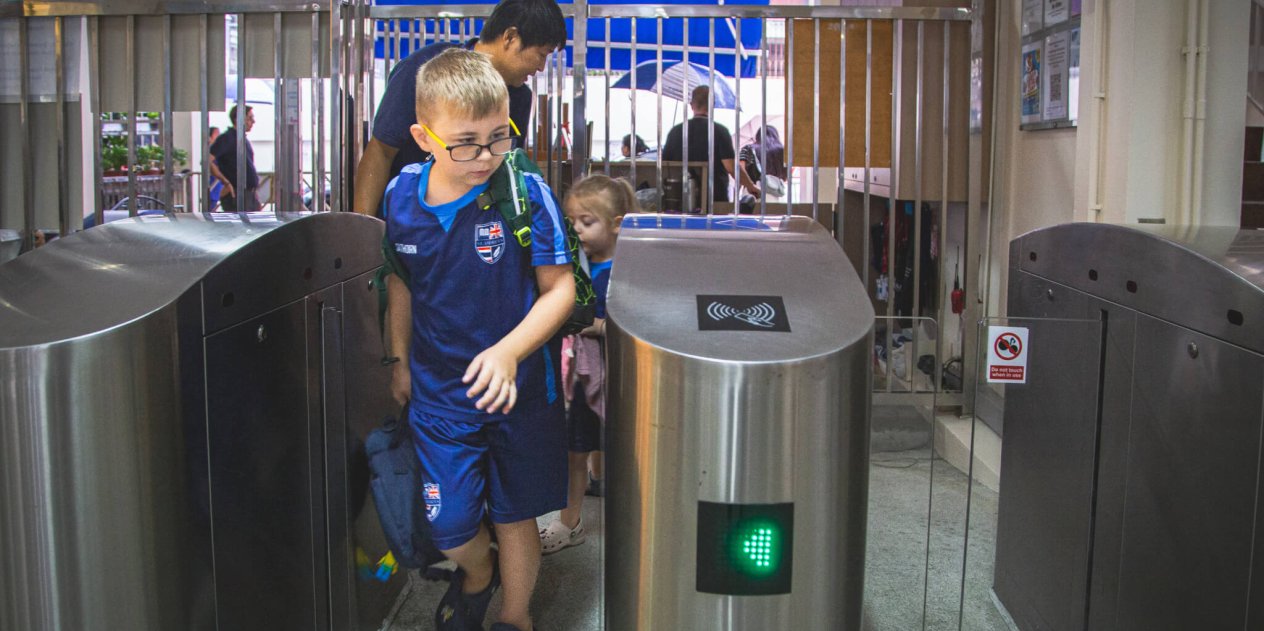
At the school gate, access is carefully managed. The site operates with controlled entry, and all visitors are required to sign in and be clearly identifiable. Security is calm, consistent and visible. Visitors also complete a safeguarding agreement on entry to the school.
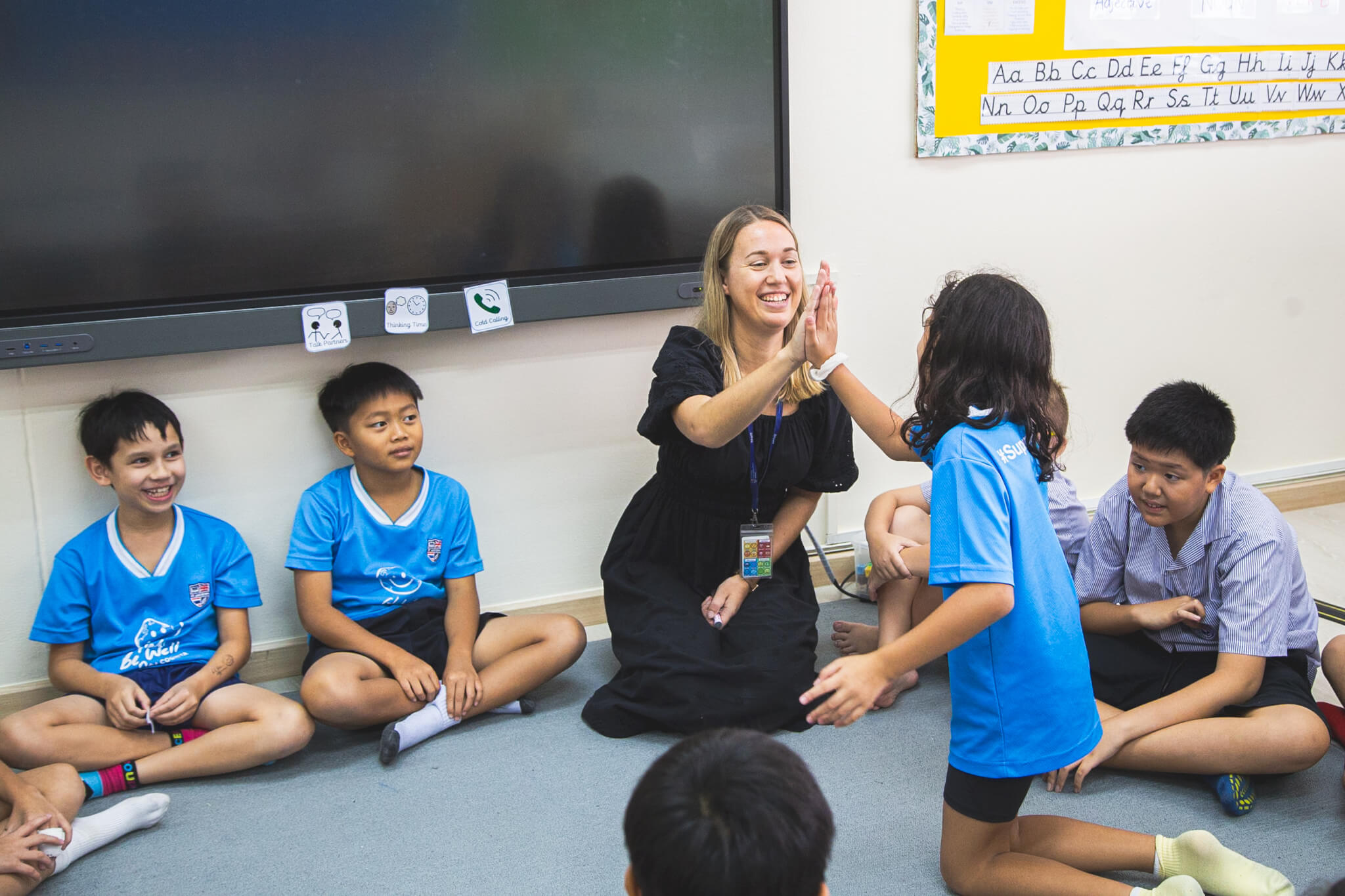
In the classroom, pastoral care is woven into daily school life. Teachers check in with children. They notice the child who seems quieter than usual or who has been finding lunchtime difficult. They follow up, communicate with colleagues and, when necessary, escalate concerns through the school’s clear reporting system.
In the Nursery and Early Years, this attentiveness is especially important. Young children do not always have the language to express that something is wrong. The EYFS framework places Personal, Social and Emotional Development at the heart of learning, and Nursery teachers are trained to notice the subtle emotional cues that very young children communicate through behaviour, play and withdrawal.
When concerns arise, the school has clear processes for reporting and responding. Where appropriate, the school can also involve additional professional support, so that concerns are addressed early rather than left to escalate.
The Role of Parents
Good safeguarding is a partnership between school and home. Parents at St. Andrews Sathorn are active participants, not passive recipients of reassurance.
Parents are encouraged to maintain open communication with the school, to share anything that might be affecting their child at home, and to raise concerns without hesitation. Teachers and leadership are approachable and accessible, and parents are welcome to get in touch whether they are celebrating something or working through a worry.
Practically, this starts before your child even walks through the door. A medical examination form is completed prior to the start date, and families are asked to complete an annual health declaration each year to confirm that their child’s records remain up to date. It is a small task, but it is the kind of joined-up communication that ensures nothing important slips through.
Helping Children Understand Safety
One of the most important aspects of safeguarding at St. Andrews Sathorn is helping children understand, in age-appropriate ways, that they have a voice and that there are trusted adults they can go to.
For Nursery children, this might be as simple as knowing it is always safe to tell a teacher if something feels wrong. For Year 2 children, it extends into more structured conversations about friendships, fairness and personal safety through the PSHE curriculum.
Children who know they will be listened to are far more likely to speak up. And children who feel genuinely safe at school are, consistently, children who learn and grow with greater confidence.
A Word on What Good Looks Like
No school can promise absolute safety. What a good school can offer is a community of well-trained, attentive adults who know the children in their care, clear systems for raising and responding to concerns, independent oversight of safeguarding standards, and a genuine culture of care in which every child feels seen and valued.
That is what St. Andrews Sathorn offers, and it is not by accident. It is the result of careful policy, consistent training and a school community, parents included, that understands safeguarding as shared, everyday work.
If you are considering the school for your child, we would warmly invite you to visit and ask these questions in person. How does the school respond when a concern is raised? Who is the Designated Safeguarding Lead? What does pastoral care look like for a child in Nursery or in Year 2? Good schools welcome these questions. They are the right ones to ask.